
News from the field.
New findings, fieldwork, monitoring updates and opportunities from researchers across the Mercury Australia network.



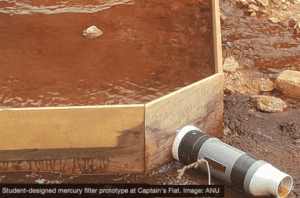
New opportunity for in-situ phytoremediation for legacy mine mercury contamination
Small-scale and artisanal gold mining accounts for 12-15% of the world’s gold supply and commonly uses mercury for amalgamation during extraction. Such mining is often short-term, performed informally, and without…

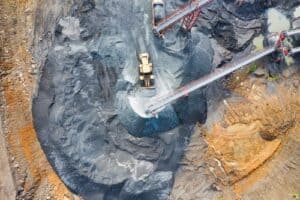
Australia’s gold industry stamped out mercury pollution — now it’s coal’s turn
Mercury is a nasty toxin that harms humans and ecosystems. Most human exposure comes from eating contaminated fish and other seafood. But how does mercury enter the Australian environment in…

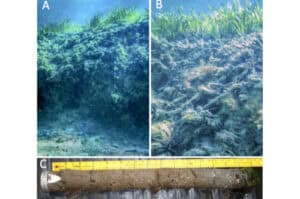
Millenary environmental record of mercury concentration in Australian coastal waters
Natural archives can be used to reconstruct the trends of mercury (Hg) fluxes over temporal and spatial scales. However, the majority of studies have been carried out in the Northern…

Mercury and PFAS contamination: Problems of law and science
People have known about the health dangers associated with mercury exposure for some time. I recently came across an extract from a mid-19th century journal, which, with reference to the…

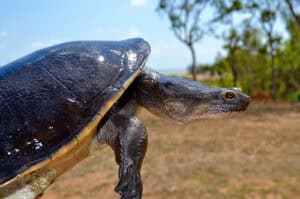
The Hidden Consequences of Metal Contamination in Wildlife
Wildlife contamination by heavy metals from mines and other enterprises is of great concern worldwide (Figure 1). The concern is not only towards the animals suffering from the contamination itself…
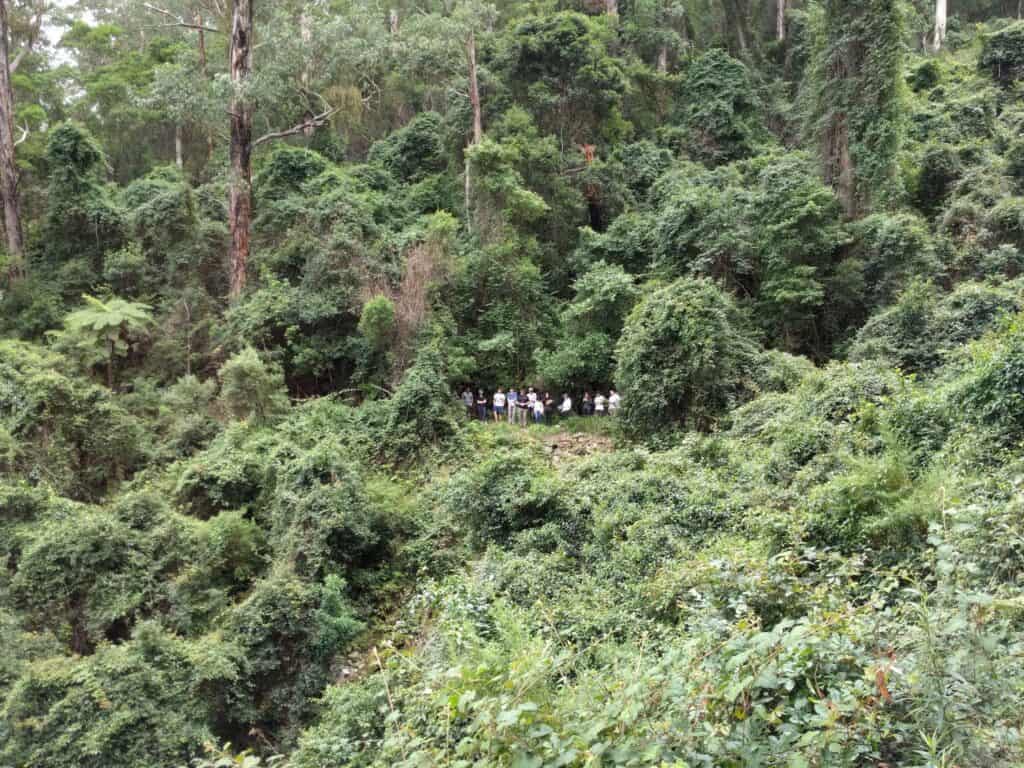
Climate change can increase wildlife and humans exposure to mercury
Mercury is a potent neurotoxin that has a high rate of bioaccumulation and biomagnification through food webs. Industrial activities, like mining, fossil fuel combustion, and cement production, release mercury to…


Historical mercury production in Australia
Australia is rich in most minerals but not cinnabar (mercuric sulphide, HgS). The Australian continent features similar geological settings to the main historical mercury-producing regions in Spain (Almaden), Slovenia (Idria)…
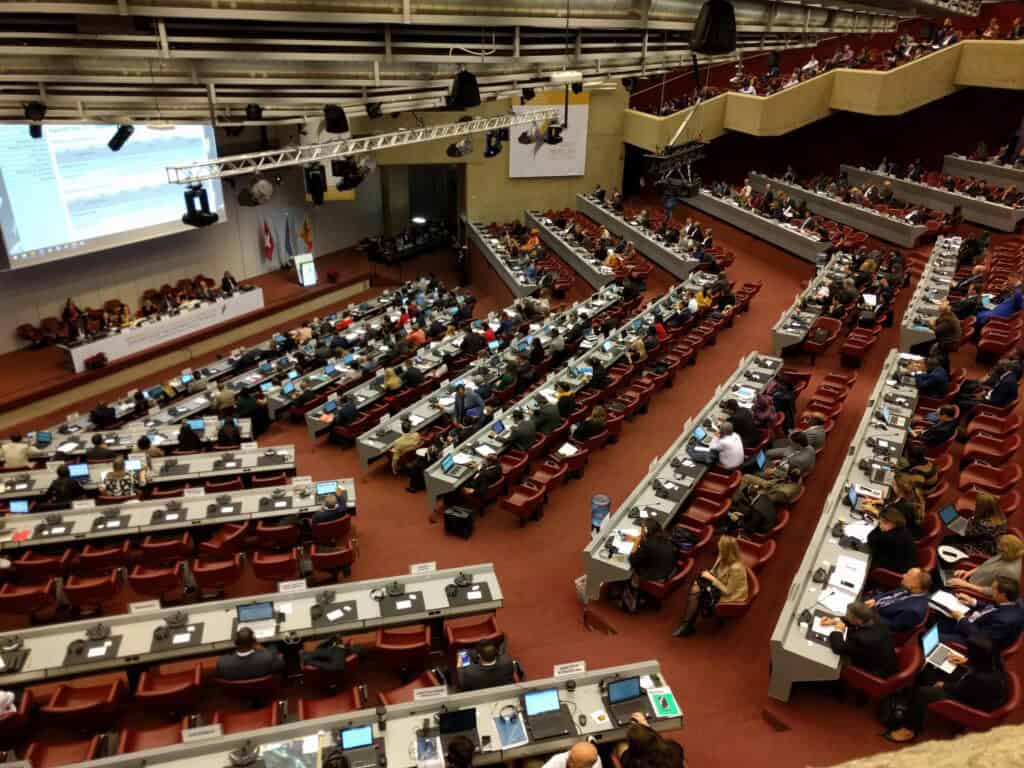
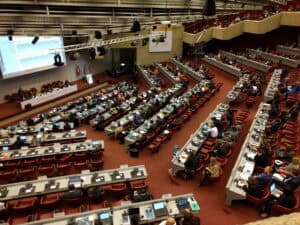
Mercury Australia participation at the COP3 – Minamata Convention on Mercury
Mercury Australia members Dr Larissa Schneider, Associate Professor Darren Sinclair and Professor Peter Nelson had the opportunity to be part of the Conference of the Parties (COP3) of the Minamata…

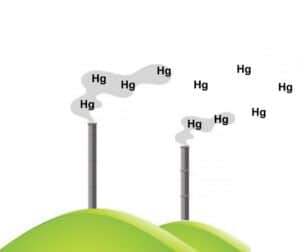
Mercury in Lake Macquarie: it is all up in the air
Maxwell Warren, Paul Winn and Larissa Schneider _An ANU (School of Culture, History, and Language; Fenner School of Environment and Society) and Hunter Community Environment Centre collaboration _ Mercury is…
Inaugural Mercury Australia Symposium
Mercury Australia was pleased to hold its inaugural symposium on 7-8 November 2019 at the School of Culture, History and Language – Australia National University, Canberra. The symposium brought together…